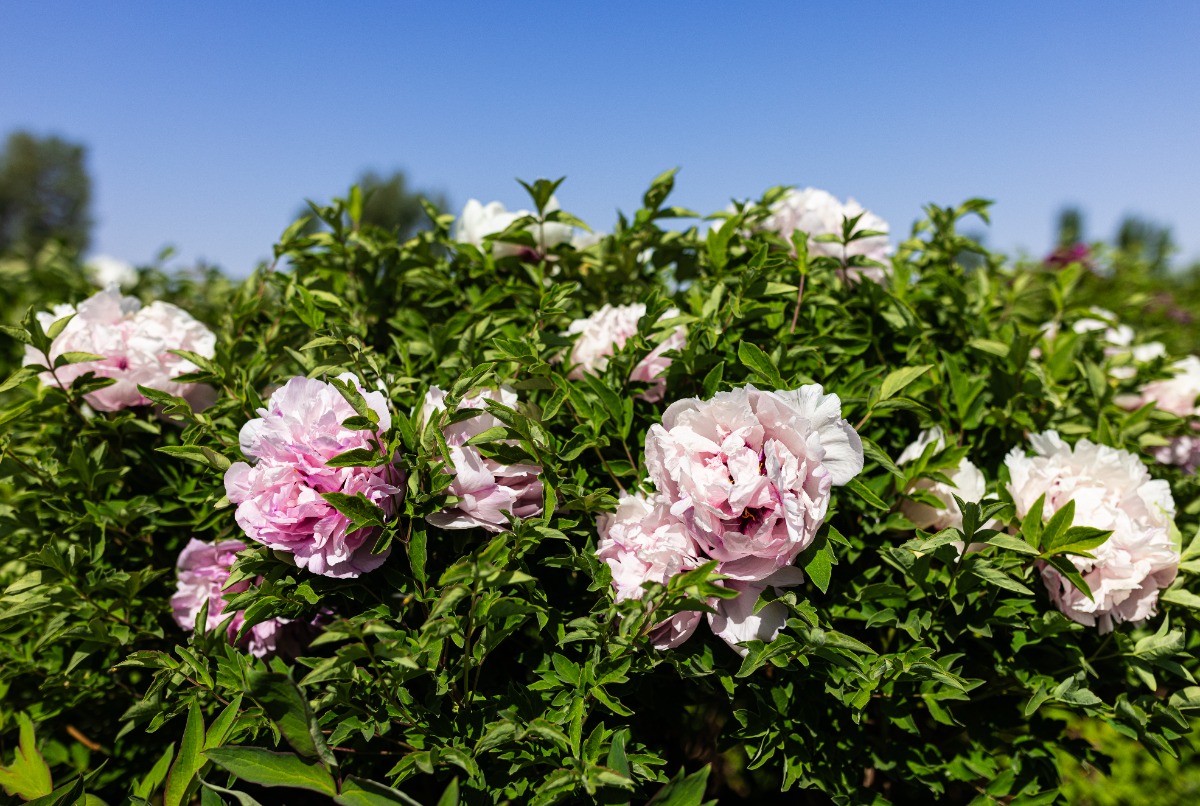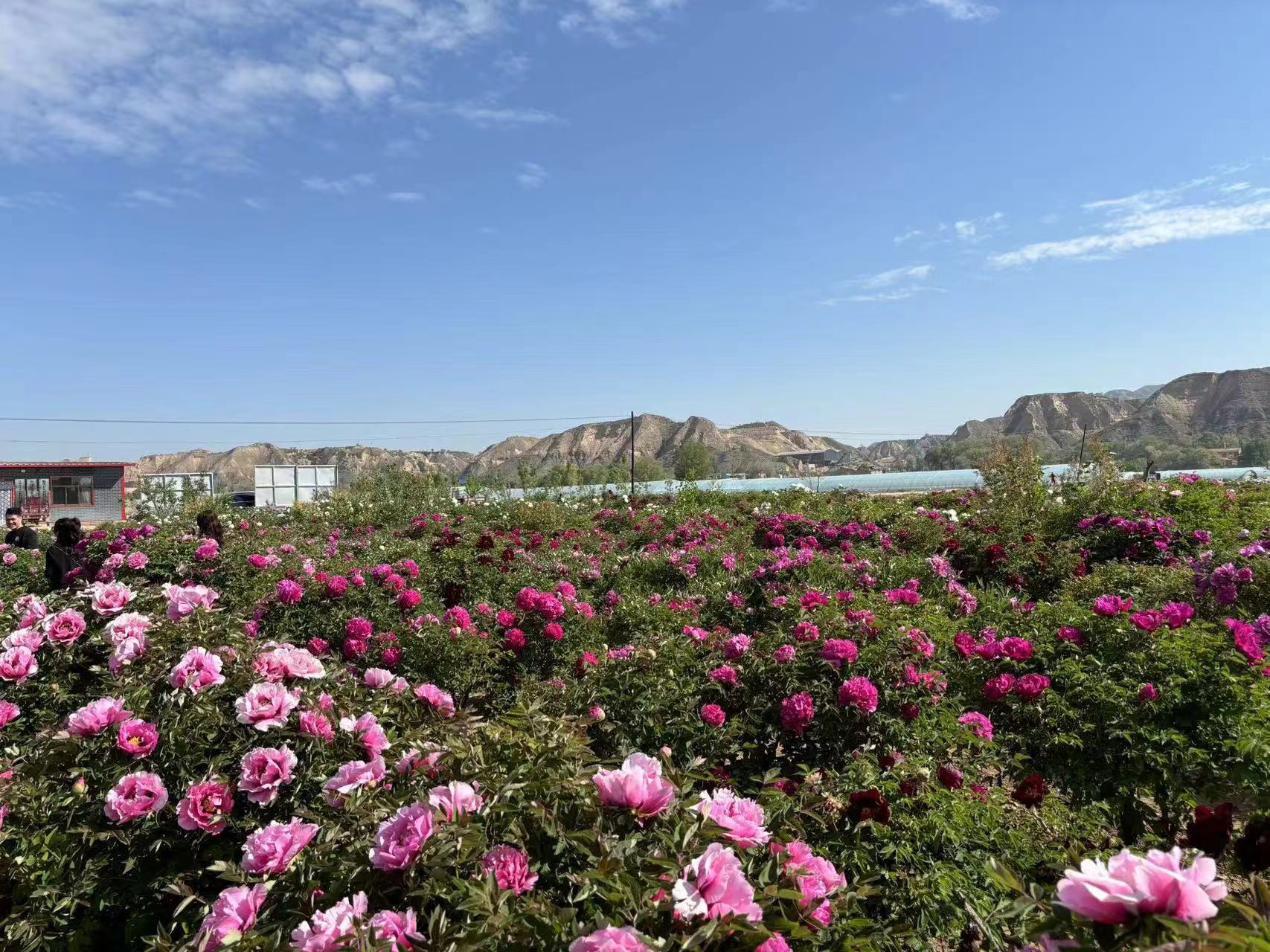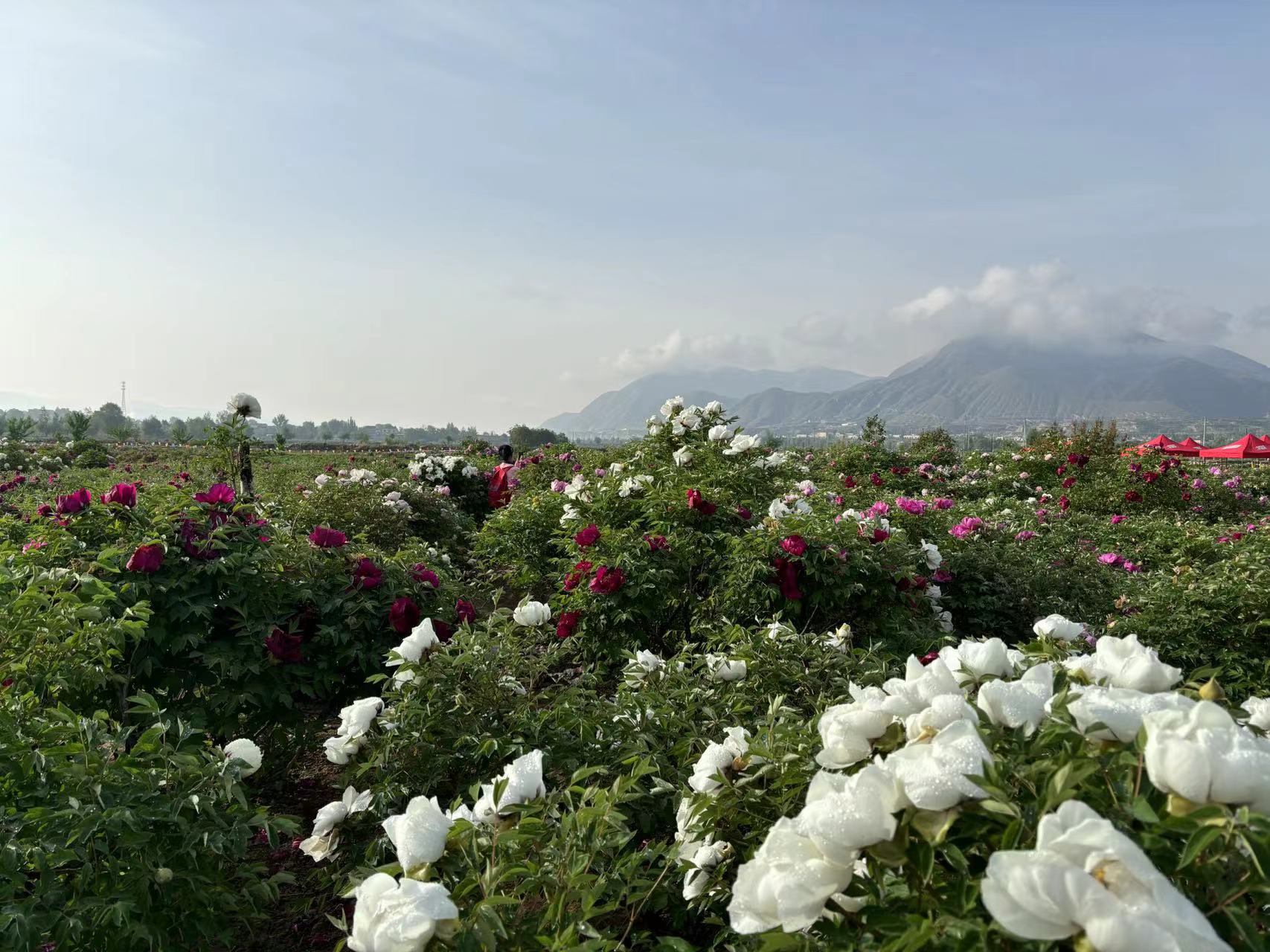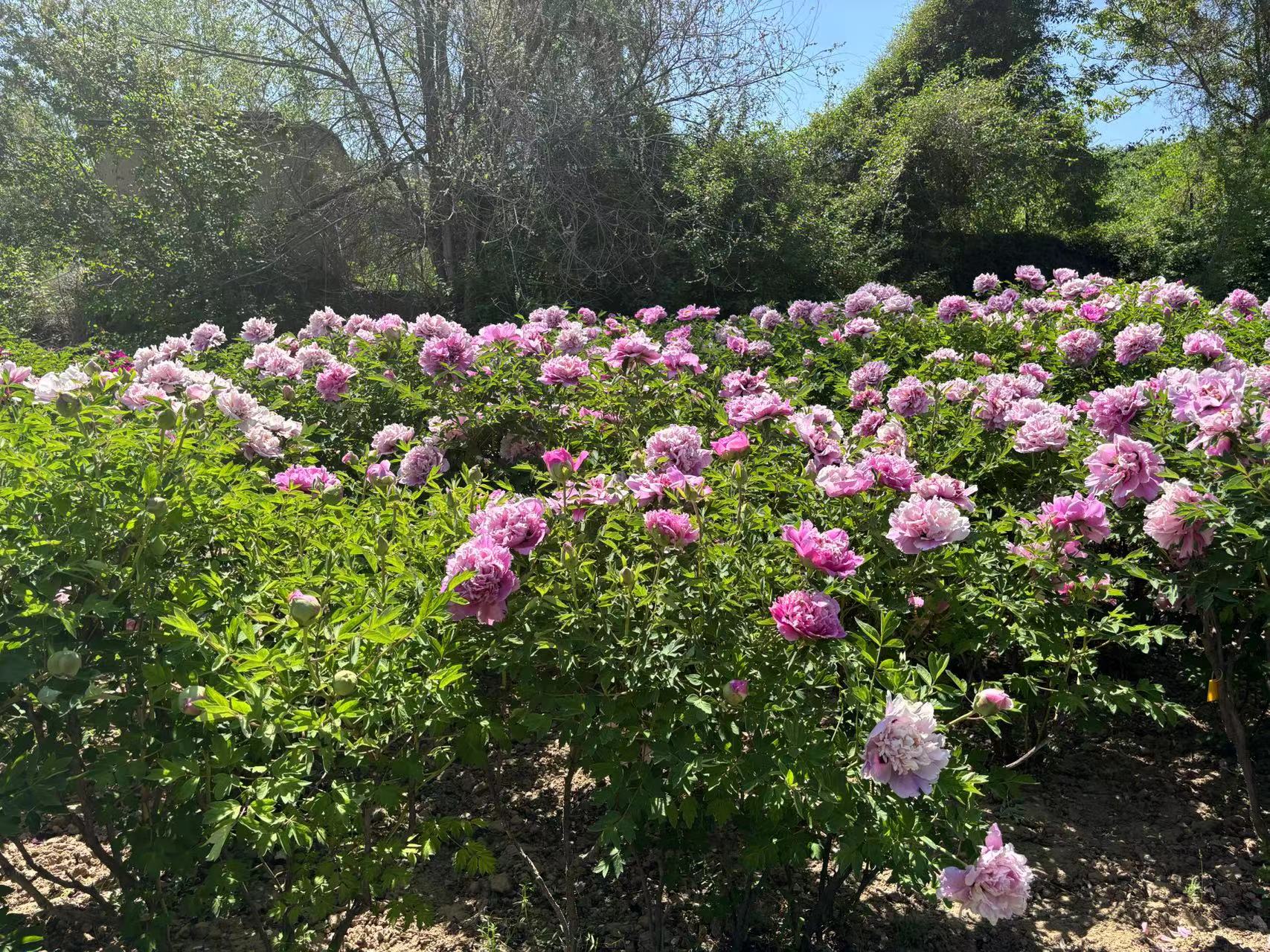
Tree Peony is one of the common flowers in traditional Chinese gardens and is also known as the national flower of China. Its beautiful blossoms, unique fragrance, and rich cultural significance attract countless admirers, including peony enthusiasts from abroad.
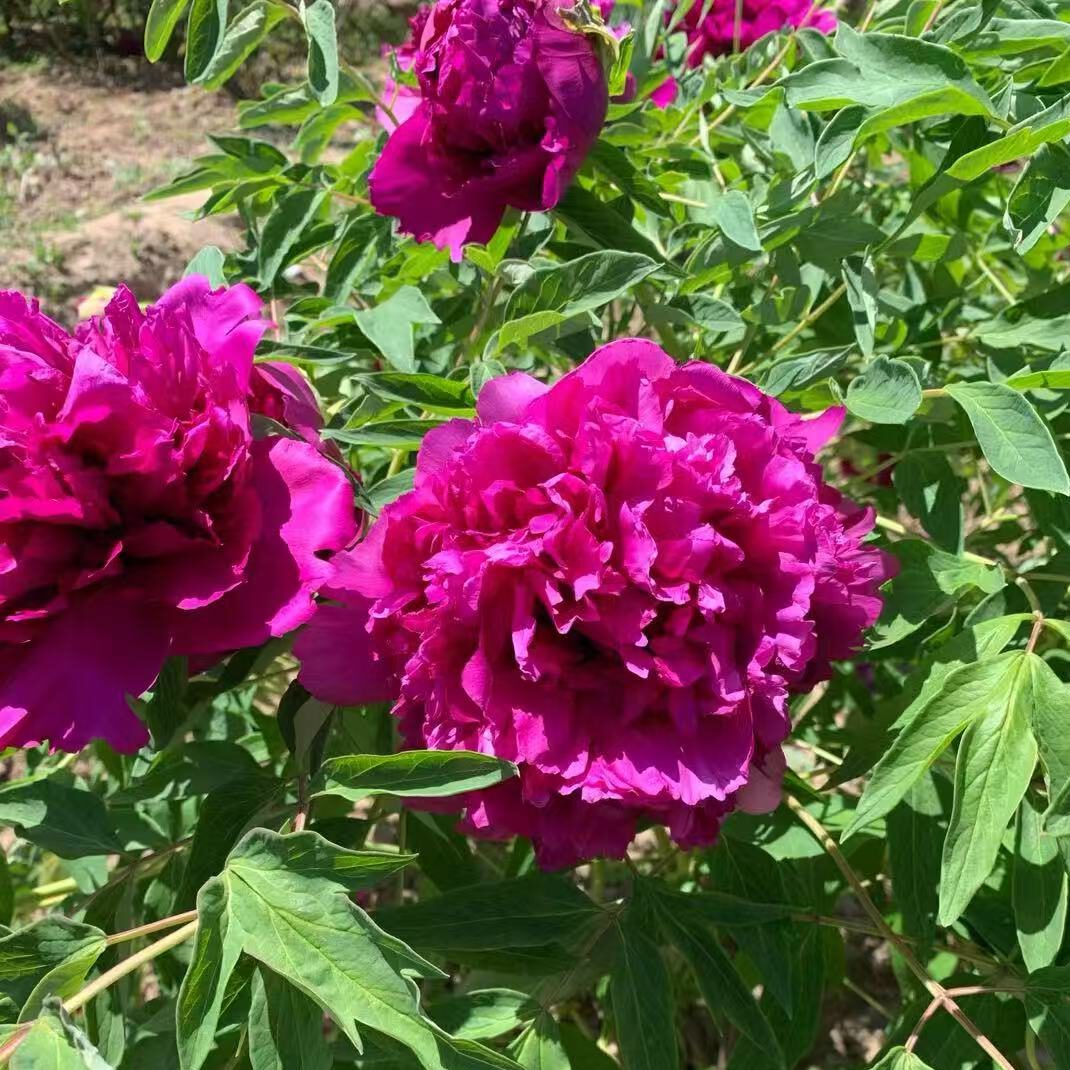
Tree Peonies prefer a mild climate, are relatively tolerant of cold and drought, but are sensitive to high temperatures and waterlogging. They thrive in deep, fertile, well-drained, neutral to slightly acidic sandy loam soil.
As a popular ornamental plant, the Tree peony (Paeonia Suffruticosa) is widely loved for its vibrant flowers and fragrant scent.
However, the flowering period and quality of peonies do not entirely depend on conventional factors such as sunlight, fertilizer, and water. Low-temperature vernalization plays a crucial role in the flowering process of peonies. So, why do tree peonies need low-temperature vernalization to bloom?
Chinese tree Peonies are typical vernalization plants, especially most varieties, which must experience a cold winter to break dormancy and enter the next stage of growth. Specifically, tree peony flower buds need to experience a temperature range of approximately 2°C to 10°C, which generally lasts for several weeks to several months. Temperature changes can activate certain physiological mechanisms within the peony, promoting flower bud differentiation and flowering.
If the winter low temperatures are insufficient (for example, in consistently warm regions), the tree peony flower buds will not complete the vernalization process, and in spring, only leaves will grow, resulting in no flowers or sparse, deformed flowers.
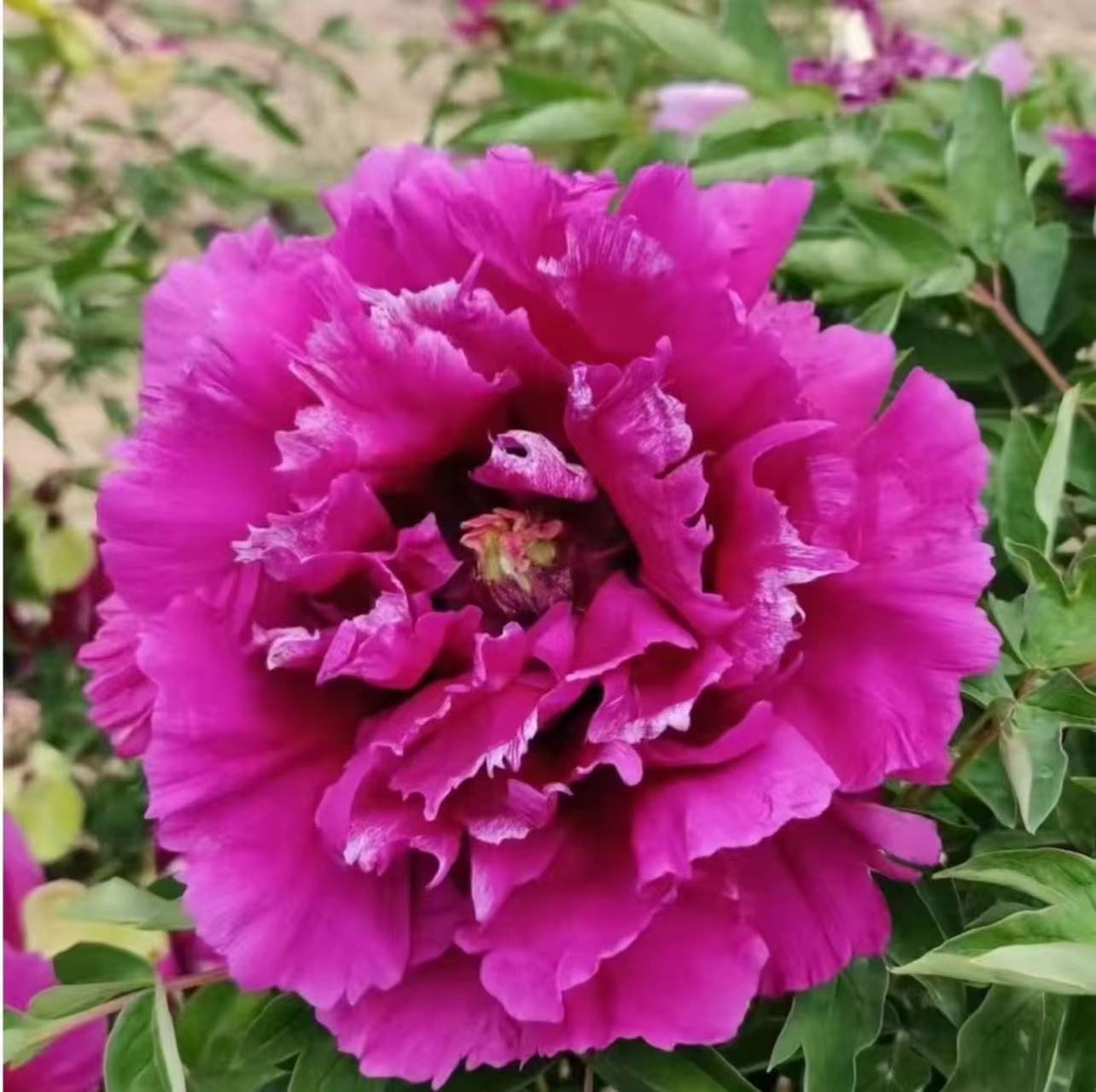
Specific requirements:
Low-temperature requirement: Usually requires approximately 30-60 days of exposure to low temperatures between 0-10°C.