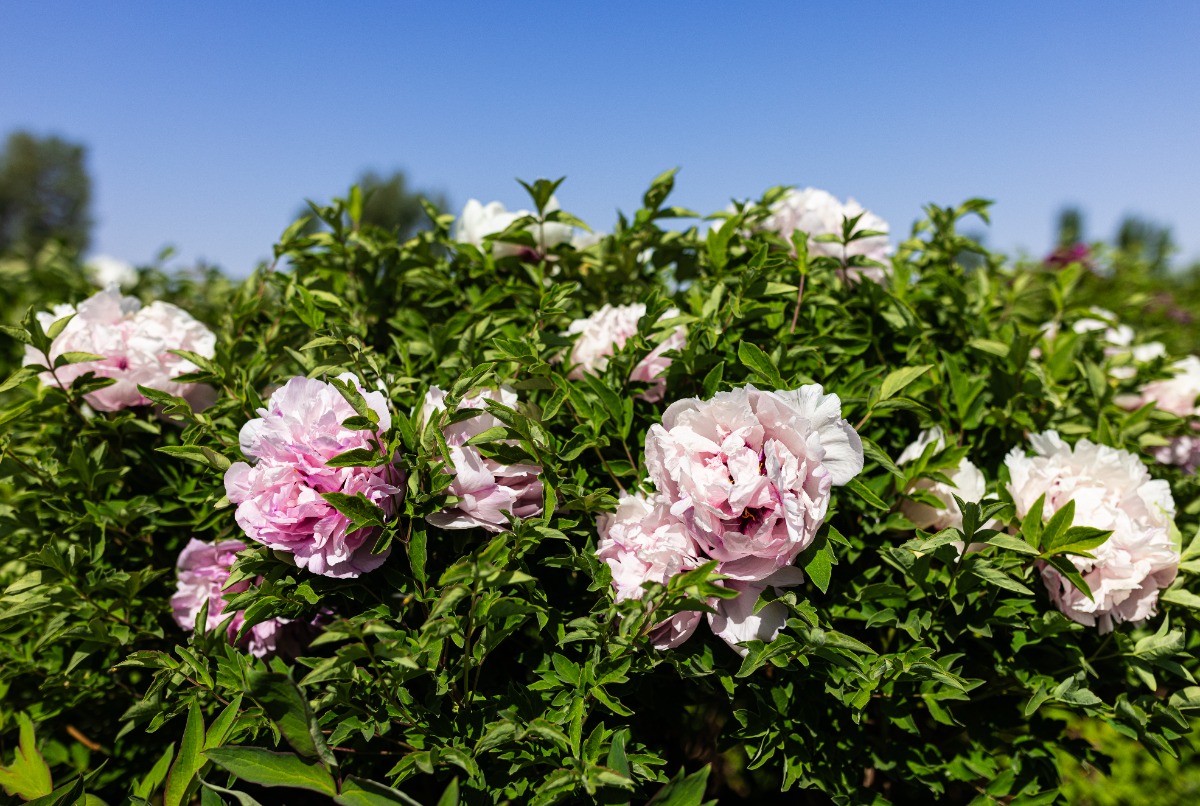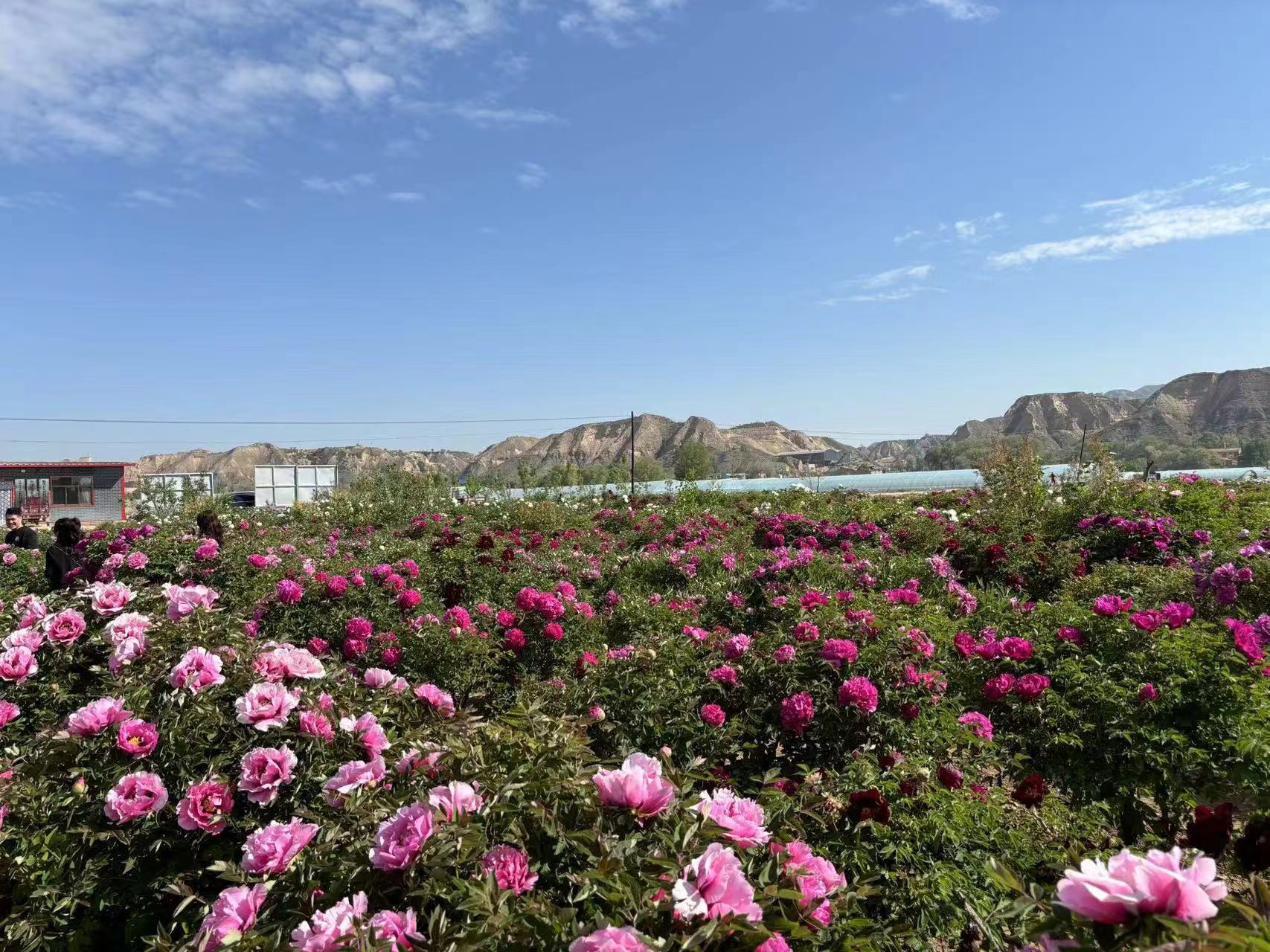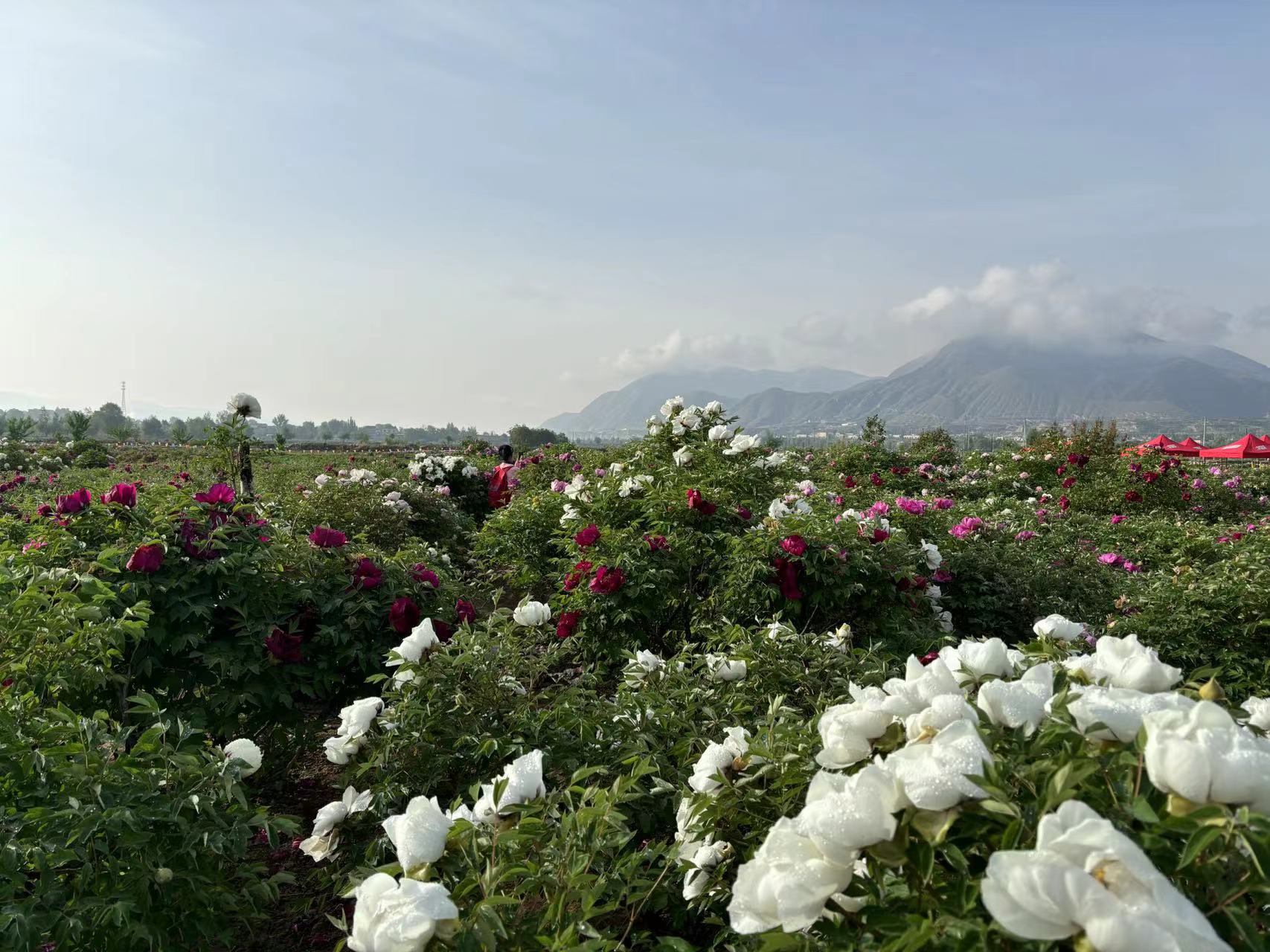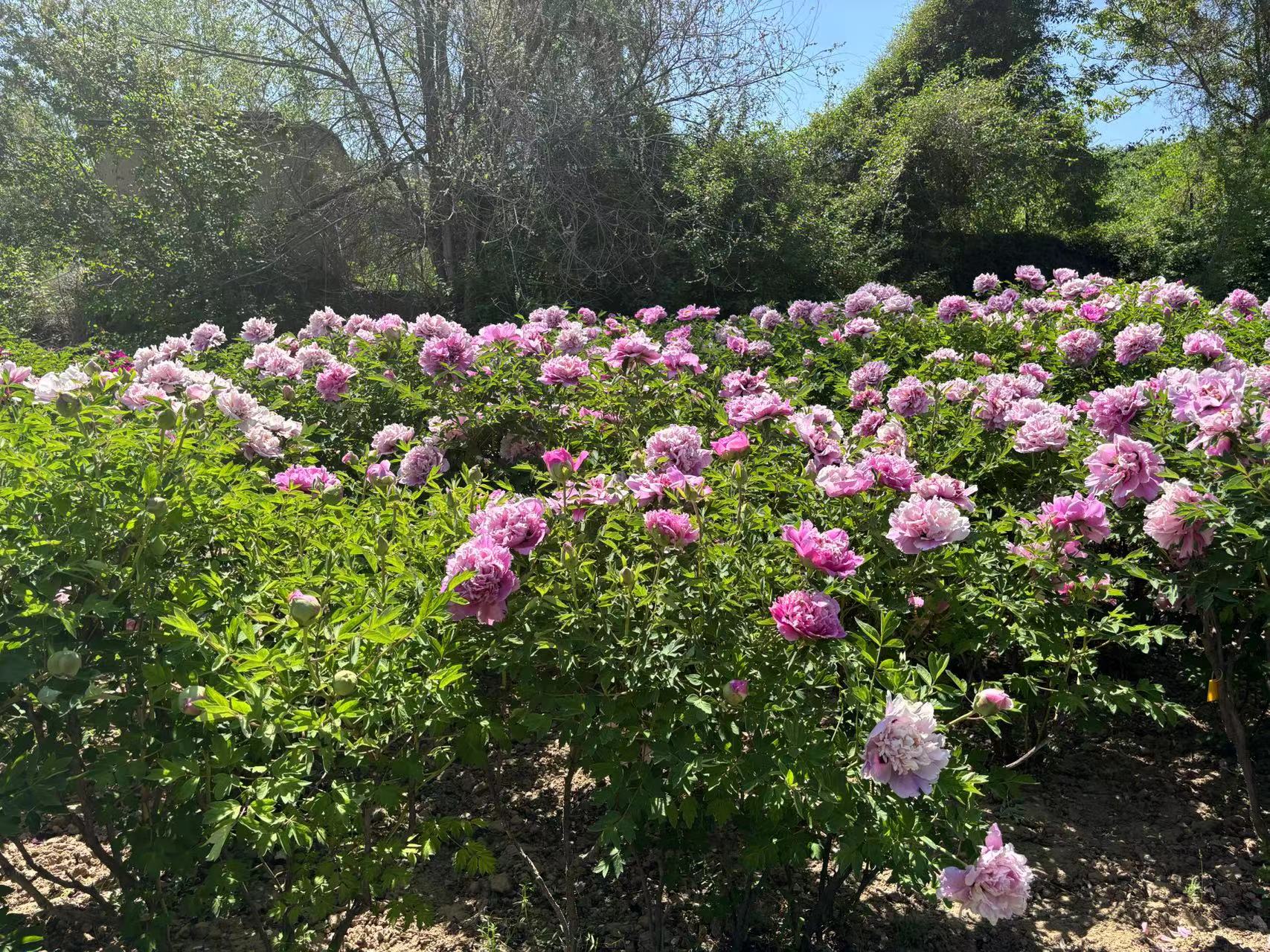
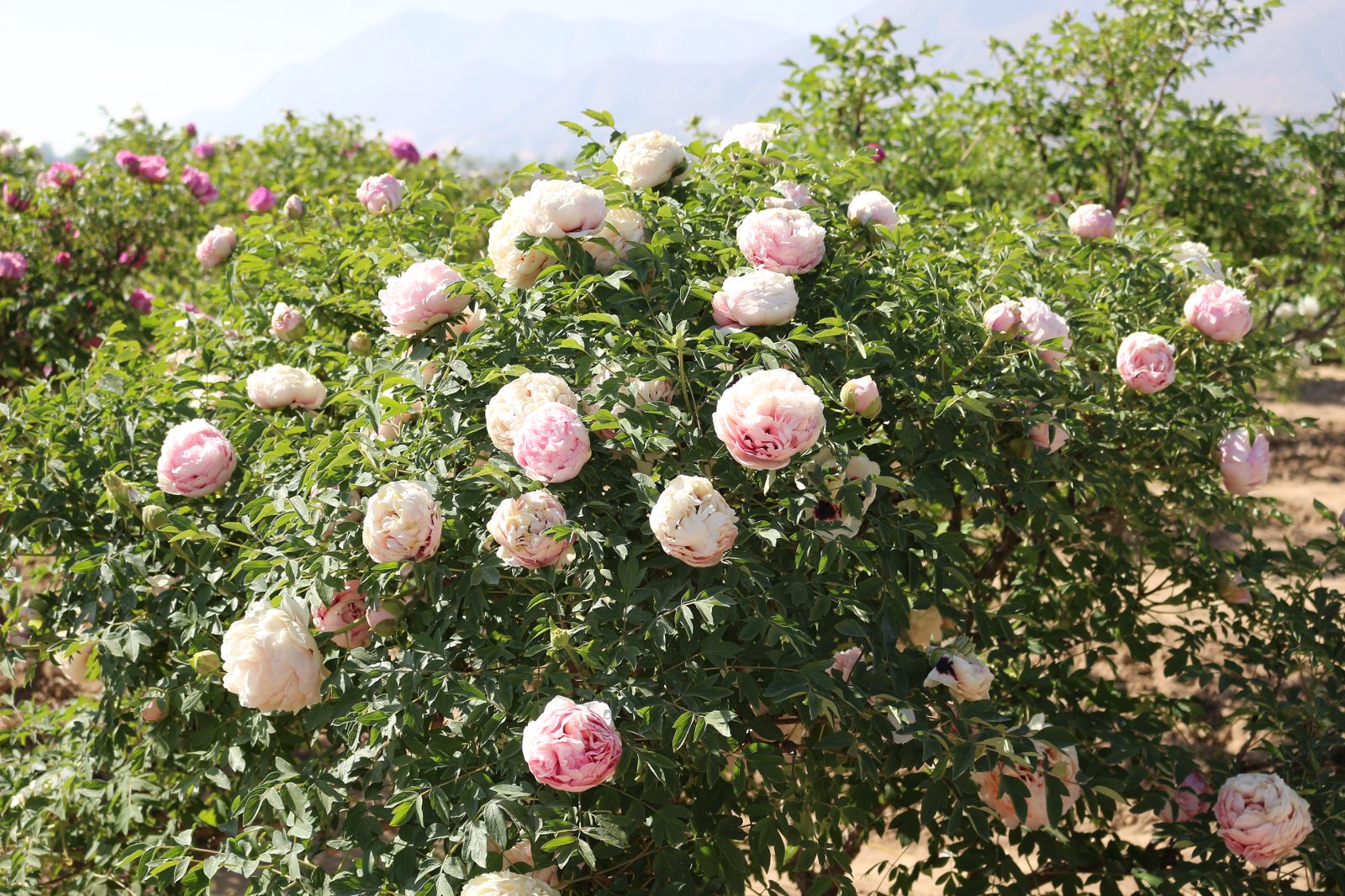
Paeonia Suffruticosa are relatively cold-hardy and can even withstand temperatures as low as minus ten degrees Celsius, especially the paeonia rockii peony , which can survive the winter without natural protection. Therefore, there is no need to worry about frost damage.
How should tree (woody)peonies be managed during the winter? Simply respect their growth habits, follow natural laws, and manage them scientifically.
The following points should be considered for winter management of tree peonies:
- Pruning
Although rockii tree peonies are cold-hardy, this doesn’t mean they are infinitely resistant to cold. In northern regions, from mid-November onwards, the plants begin to enter a dormant or semi-dormant state.
At this time, not only do the leaves turn yellow and the branches wither, but the sap also gradually stops flowing. Therefore, this is the best time for pruning.
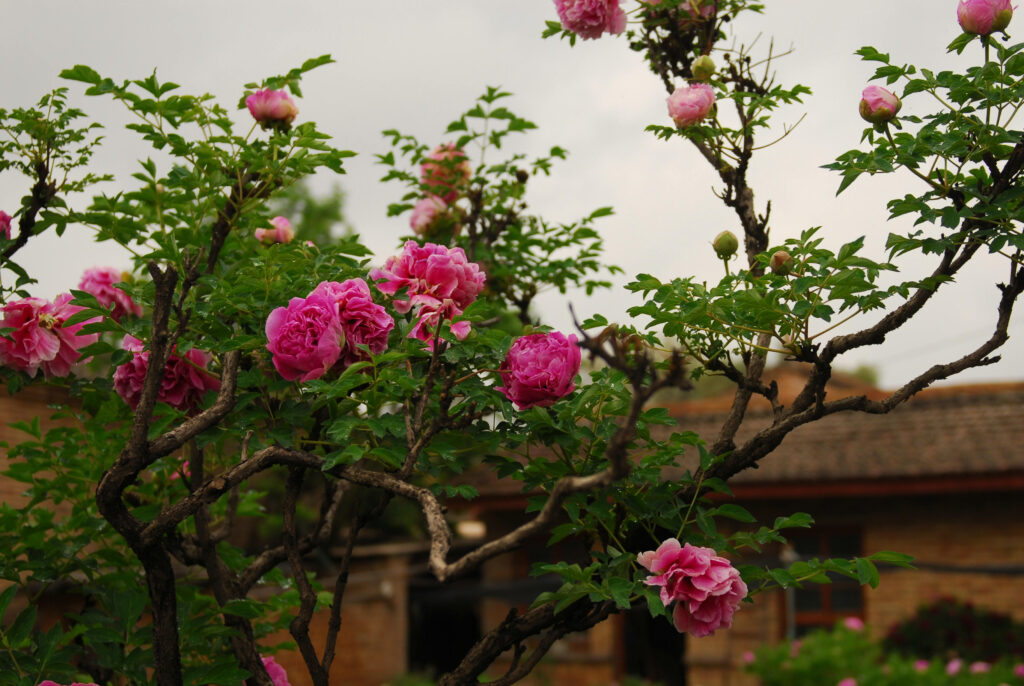
When pruning, first remove any withered leaves that haven’t fallen off, then cut off dry, diseased, and weak branches, and finally prune any excessively long branches that affect the plant’s appearance. - Pest Control
In winter, many insect pupae and eggs hide underground around the plants. At this time, you can take advantage of the dry and cold weather to moderately deep-till the surrounding soil to freeze and kill the pests. After several tilling and airing cycles, spray with disinfectant and insecticide. - Watering and Fertilizing
In terms of watering and fertilizing, peonies are already “asleep” in winter, with almost no consumption of water and nutrients. - Keeping Warm
Although tree peonies are cold-hardy, extremely cold and freezing weather can often damage the plants, affecting their growth and flower bud differentiation in the following year. Therefore, it is best to cover them with large black plastic bags or straw after pruning and disinfection.
In summary, the precautions for winter care of tree peonies are: - Avoid frequent watering
In winter, woody(tree)peonies are almost in a state of “not eating or drinking,” and have little need for water. Therefore, it is advisable to water sparingly or not at all. Avoid frequent watering.