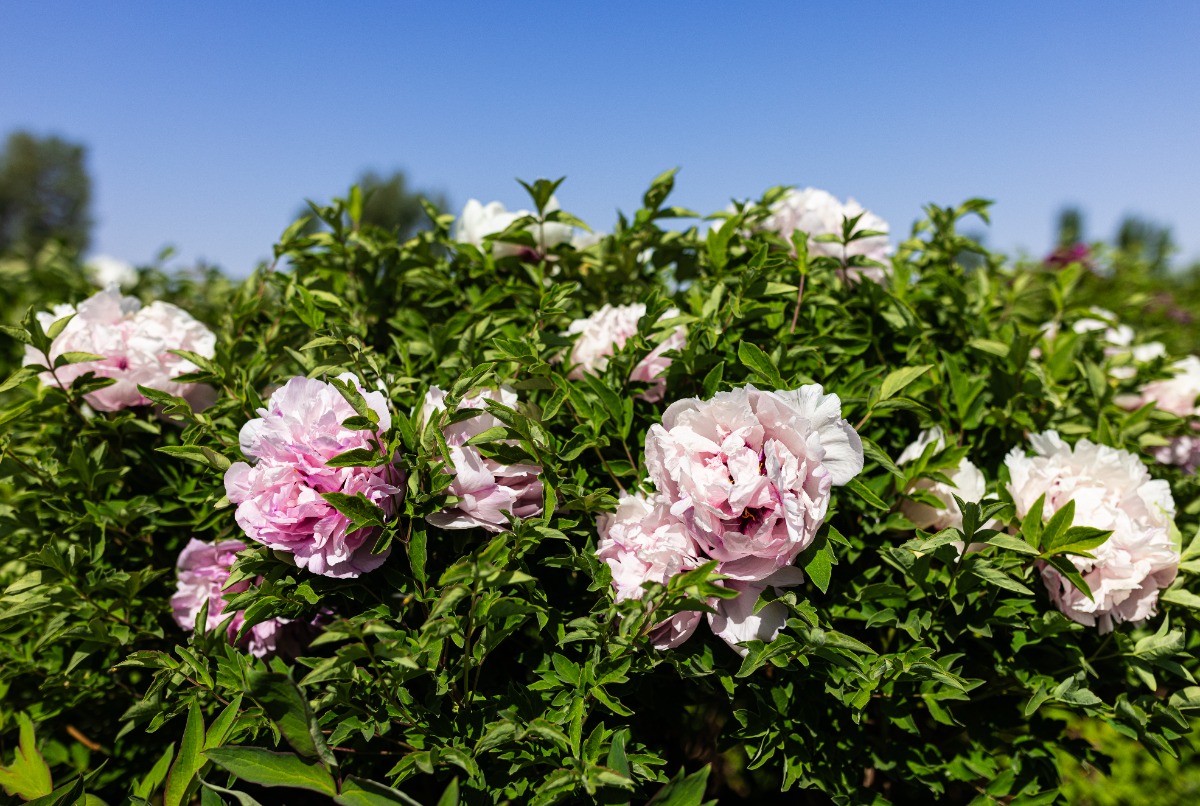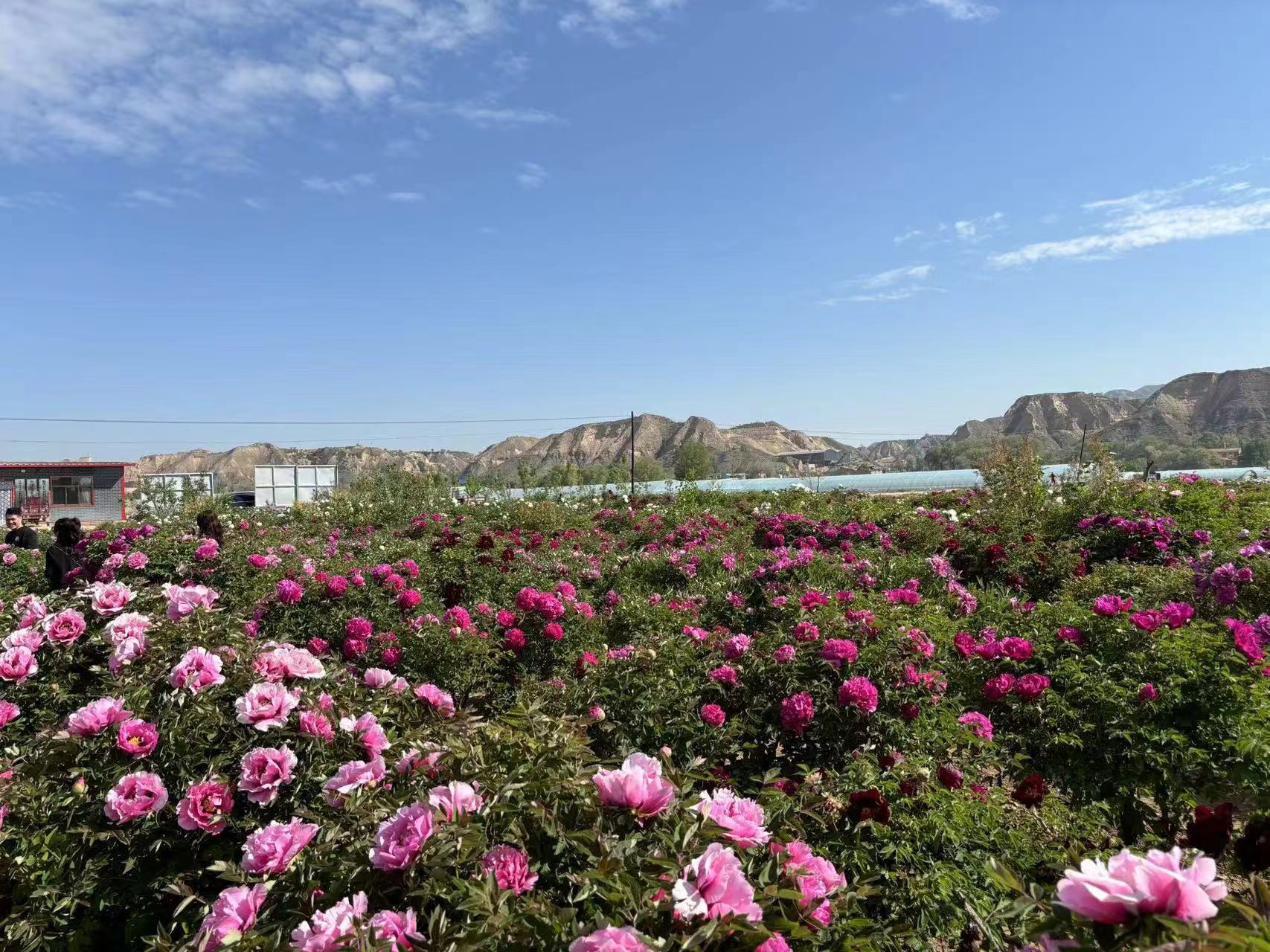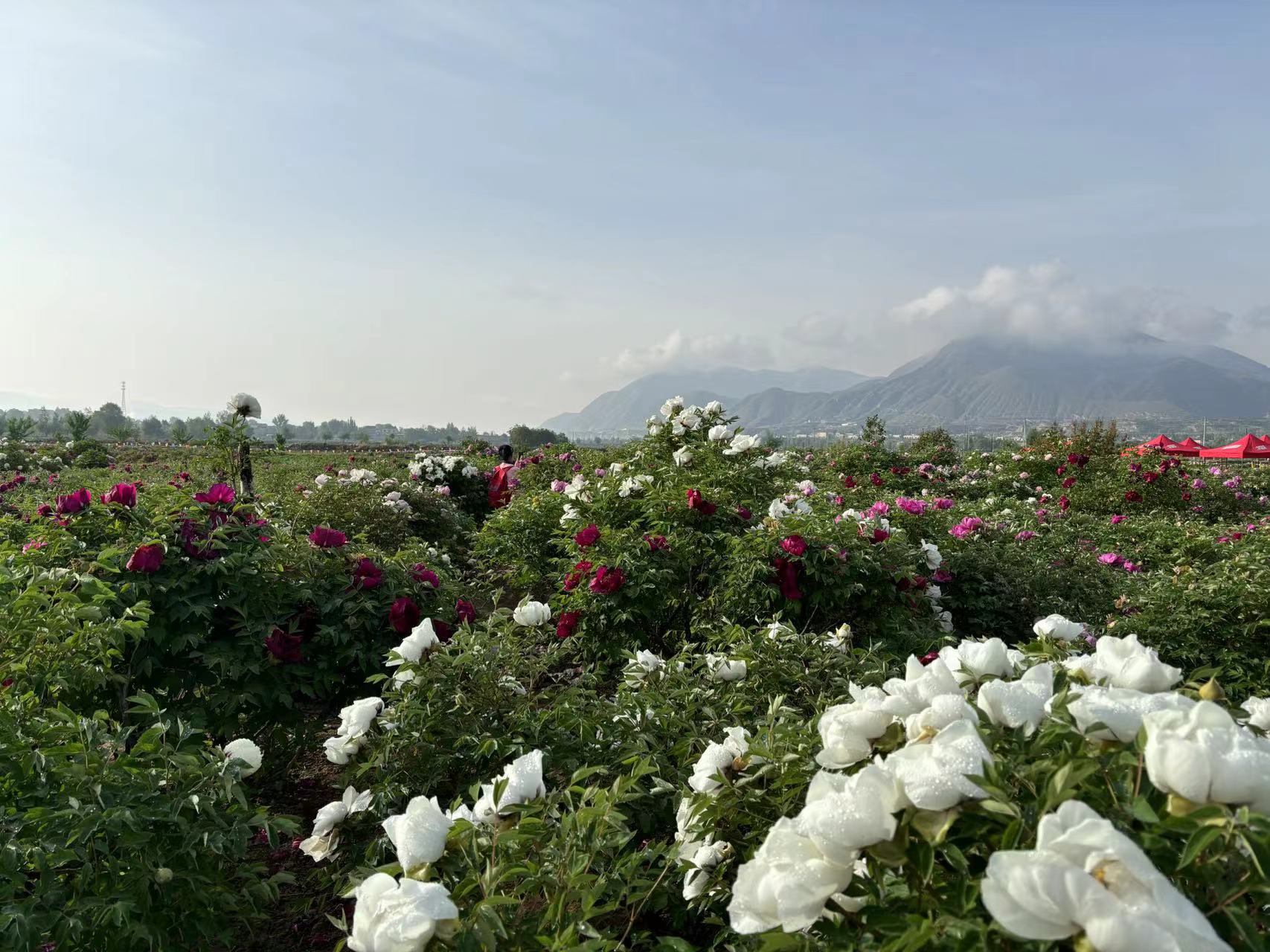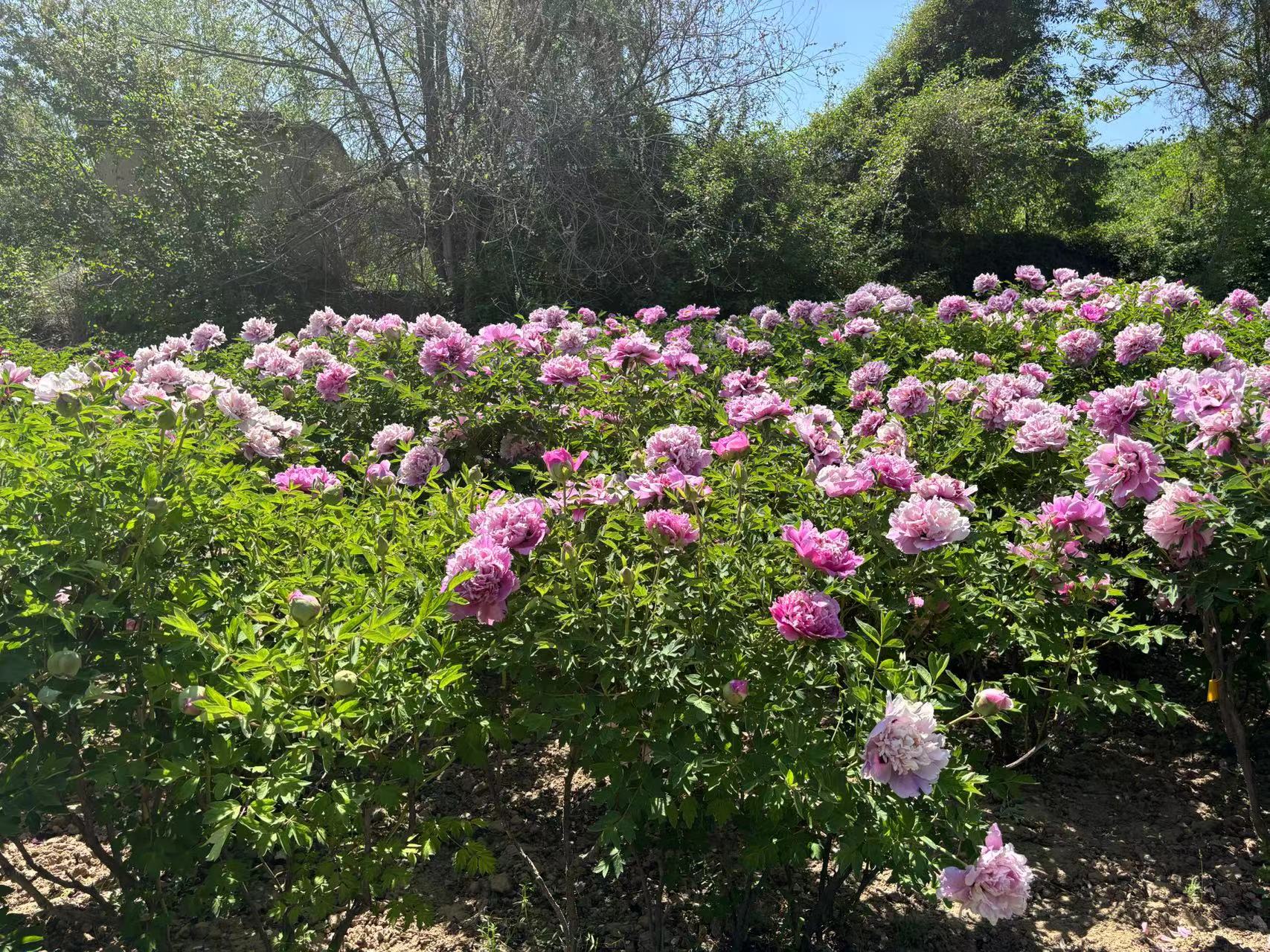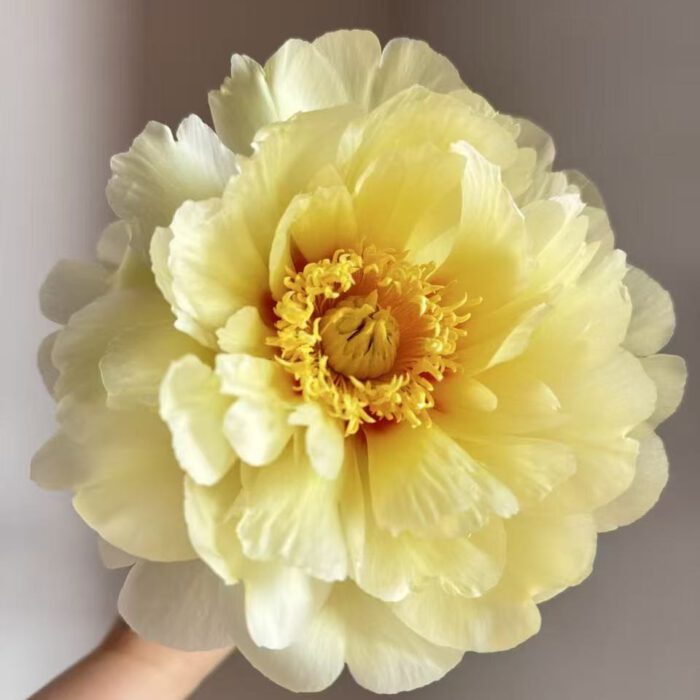
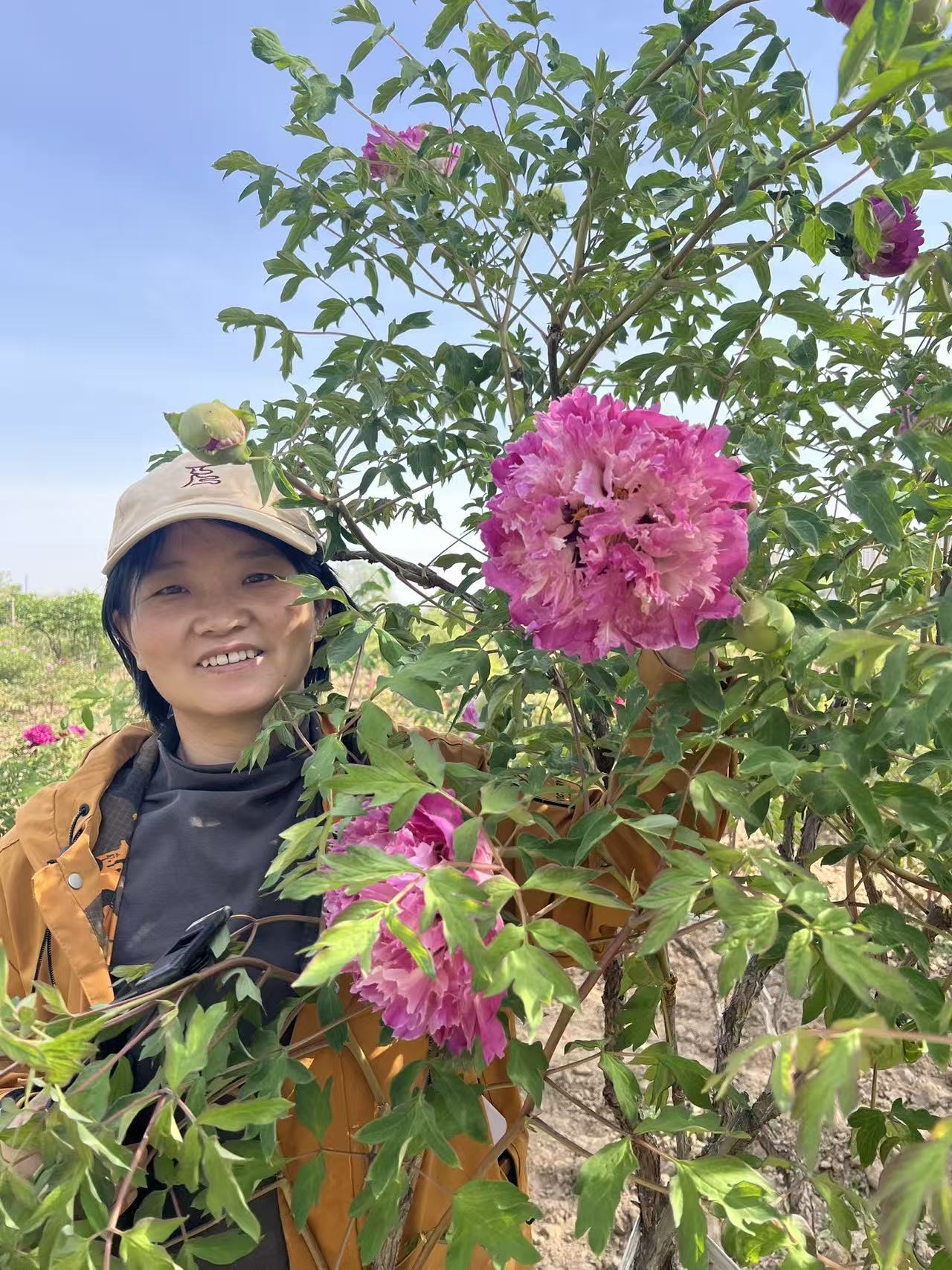
Paeonia rockii is a rare peony variety native to China, prized for its resilience, ornamental beauty, and high economic value; it is an excellent choice for nursery cultivation and flower exports. Compared to mature plants, young Paeonia rockii seedlings have shallow root systems, tender foliage, and less vigorous growth, making them extremely vulnerable to high temperatures and intense sunlight. As summer arrives—particularly during the sustained heat of July and August—intense sun exposure can easily damage seedling growth. Consequently, scientific shading and cooling measures are central to summer care, directly determining the seedlings’ survival rate and their growth potential for the following year.
I. Fatal Risks of Summer Heat and Intense Sun Exposure to Young Paeonia rockii Seedlings
While mature Paeonia rockii plants thrive in sunlight and are drought-tolerant, one-year-old seedlings and three-year-old grafted saplings are not yet fully developed. Their root systems are largely distributed in the shallow soil layers, resulting in a limited capacity to absorb water and retain nutrients, leaving them unable to withstand the onslaught of extreme summer heat and intense light.
When ambient temperatures consistently exceed 35°C and the seedlings are exposed to direct midday sun, various symptoms of sunburn appear: tender leaves rapidly lose moisture and wilt, leaf margins scorch and dry out, and irregular sunspots develop on the leaf surface, leading to yellowing and premature leaf drop. Intense light destroys chlorophyll and disrupts photosynthesis, halting nutrient accumulation and causing issues such as stunted growth or “frozen” development (where the plant stops growing entirely).
Simultaneously, high heat and intense sun bake the shallow soil, causing surface temperatures to scorch the roots. Mild damage results in reduced root activity and impaired absorption, while severe damage leads to root scorching and rot. Furthermore, hot, humid conditions significantly increase the risk of outbreaks of leaf spot and root rot; in severe cases, this can cause the entire batch of seedlings to wither and die, resulting in massive losses for growers.
II. Core Standards for Scientific Summer Shading for Young Paeonia rockii Seedlings
Many growers hold misconceptions, believing that because peonies love sunlight, no shading is required, or—conversely—that excessive shading causes seedlings to become leggy with weak stems. Based on nursery practices and professional cultivation standards, summer shading for young Paeonia rockii seedlings requires moderation; one must avoid both total shading and full exposure to intense sun. 1. Precise Control of Shading Rates: For open-field seedling cultivation and potted seedlings, a shading net with a 40%–50% shading rate is ideal. This range blocks harsh midday sunlight and lowers the ambient temperature by 3–5°C while retaining sufficient diffused light to meet the seedlings’ photosynthetic needs. It prevents issues caused by excessive shading, such as leggy growth, weak stems, and reduced stress resistance. During periods of sustained extreme heat, the net can be temporarily swapped for one with a 50%–60% shading rate to completely prevent sunscald.
- Precise Shading Timing: Continuous all-day shading is unnecessary; follow the principle of “avoiding harsh midday light while allowing soft morning and evening light.” Shading is mandatory between 10:00 AM and 4:00 PM, when UV radiation and temperatures peak. During the early morning and late afternoon, when the light is gentle, the shading net can be opened to ensure the seedlings receive adequate light and ventilation.
- Temperature Thresholds: Seedlings can grow naturally in cloudy weather with temperatures around 30°C. However, when temperatures consistently reach or exceed 35°C, shading structures must be installed, and routine sun protection measures must be implemented.
III. Practical Shading Methods for Paeonia rockii Seedlings (Applicable to both field and pot cultivation)
- Field-Grown Seedlings: Constructing Fixed Shading Shelters
For large-scale seedling nurseries and field plantations of Paeonia rockii, standardized shading shelters are the preferred option. Use sturdy upright posts to construct the framework, maintaining a height of at least 1.2 meters. Ensure ample ventilation space and prevent the shading net from touching the seedlings’ foliage, which could cause heat buildup and damage the plants.
Lay the shading net (with the appropriate shading rate) flat over the framework. Secure the edges moderately while leaving ventilation gaps to ensure air circulation, effectively lowering the temperature inside the shelter and blocking harsh light. Alternatively, an ecological inter-row shading method can be used: planting tall green vegetation in the gaps between seedling rows creates a natural shaded environment that balances cooling and ventilation.
- Potted Seedlings: Flexible Placement and Temporary Shading
Care for potted Paeonia rockii seedlings—whether in a home setting or a nursery—allows for greater flexibility. During periods of high heat, you can move potted plants to well-ventilated areas with diffused light—such as the shade of a large tree, a corridor, or under a shading canopy—to avoid the harsh afternoon sun and direct midday rays.
If the plants have a fixed location, you can install a small, retractable shade net; deploy it during the hottest parts of the day and retract it when it is cooler. This balances sun protection with light exposure, catering to the growth needs of the young seedlings.
IV. Summer Care Guidelines to Complement Shading and Ensure Seedling Survival
Shading is the foundation of summer care; however, it must be combined with scientific watering, fertilization, and field management to completely prevent heat damage and cultivate robust seedlings.
- Strictly Prohibit Summer Fertilization: During the hot season, young purple-spotted peonies enter a semi-dormant state, and their root absorption capacity is extremely poor. Fertilizing at this time can easily cause root burn or rot. Fertilization should be completely suspended throughout the summer; resume with light, frequent applications to replenish nutrients only after temperatures drop in the autumn.
- Scientifically Control Water and Prevent Waterlogging: Follow the principle of “water only when the soil is dry, and water thoroughly.” Water during the cooler periods of early morning or late evening, and strictly avoid watering during the heat of midday. Prevent water from pooling in the soil; promptly clear drainage in low-lying areas to avoid root rot caused by a combination of high heat and high humidity.
- Maintain Ventilation and Avoid Stifling Conditions: Shading does not mean sealing off the plants. Whether grown in the ground or in pots, ensure good air circulation in the growing environment. Stifling, enclosed environments not only breed pests and diseases but also hinder the seedlings’ respiration and weaken their growth.
- Promptly Remove Diseased Leaves and Weeds: Regularly clear weeds from the nursery bed to prevent them from competing with seedlings for water and nutrients or blocking airflow. Promptly remove leaves with scorched edges, sunburn damage, or signs of disease or weakness to reduce nutrient waste and lower the risk of pathogen proliferation.
V. Summary
Young rockii tree peonies are delicate and vulnerable; high summer temperatures and intense sunlight pose the greatest threats to their growth. Scientific and appropriate shading serves as the first line of defense in ensuring these seedlings safely survive the summer. During cultivation and maintenance, effectively preventing issues such as sunburn, stunted growth, and root rot requires maintaining a core shading level of 40%–50% and avoiding exposure to intense midday sunlight, combined with meticulous management practices—specifically suspending fertilization, controlling water intake, and ensuring good ventilation.
Proper summer shading and care not only maximize seedling vigor and survival rates but also lay a solid foundation for root revitalization in autumn, lush foliage growth the following year, and the cultivation of high-quality, robust seedlings, thereby ensuring both the yield and quality of rockii tree peony production.